
railway-international.com
08
'26
Written on Modified on
Agra Metro improves energy efficiency with regenerative braking system
Sécheron IGBT inverter enables energy recovery, cutting electricity costs and improving sustainability.
www.secheron.com
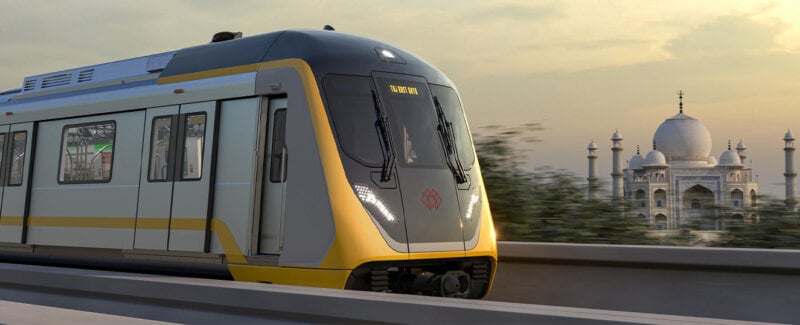
When the Agra Metro Rail Project began operations in March 2024, it was designed with a strong focus on sustainable urban transport. Serving a growing passenger base, the system required solutions to reduce energy consumption while maintaining reliable operations.
A key challenge in metro systems is the inefficient use of braking energy. In conventional setups, the energy generated during braking is dissipated as heat, resulting in significant energy losses and higher electricity demand.
To address this, the project aimed to implement a solution that could recover and reuse braking energy, improving both operational efficiency and environmental performance.
Deploying regenerative energy recovery technology
Agra Metro selected an IGBT inverter solution from Sécheron to enable regenerative energy recovery. This made it the first metro system in India to deploy this specific technology at scale.
The inverter captures electrical energy generated during train braking and feeds it back into the traction power network. This recovered energy can then be used by other trains or redistributed within the grid, reducing the need for additional power generation.
Measurable impact on costs and energy consumption
The system delivered immediate and quantifiable results. Within the first year of operation, a single inverter contributed to savings of approximately ₹5 million (around USD 58,000) in electricity costs.
The economic performance of the system is supported by:
- A payback period of less than five years
- A projected operational lifespan exceeding 30 years
- Estimated lifetime savings of approximately USD 1.4 million
These results demonstrate the financial viability of regenerative braking technology in metro applications.
Reducing environmental impact through energy reuse
Beyond cost savings, the system contributes to lower energy consumption and reduced carbon emissions. By reusing energy that would otherwise be lost, the metro reduces its overall power demand and improves the efficiency of its electrical infrastructure.
This approach supports broader sustainability goals by minimizing energy waste and lowering the environmental footprint of urban transport systems.
Supporting scalable, sustainable metro operations
The implementation at Agra Metro illustrates how energy recovery technologies can be integrated into modern rail systems from the outset. As urban rail networks expand, such solutions provide a scalable way to improve efficiency without compromising performance.
The case highlights the role of regenerative braking systems in enabling cost-effective and sustainable metro operations, offering a practical model for future transport infrastructure projects in India and globally.
Edited with AI assistance.
www.secheron.com
