
railway-international.com
05
'25
Written on Modified on
Foundations for a Cross-Border High-Speed Link Germany–London
DB and Eurostar establish a joint framework to prepare a future direct service and assess technical, operational and regulatory requirements.
www.deutschebahn.com
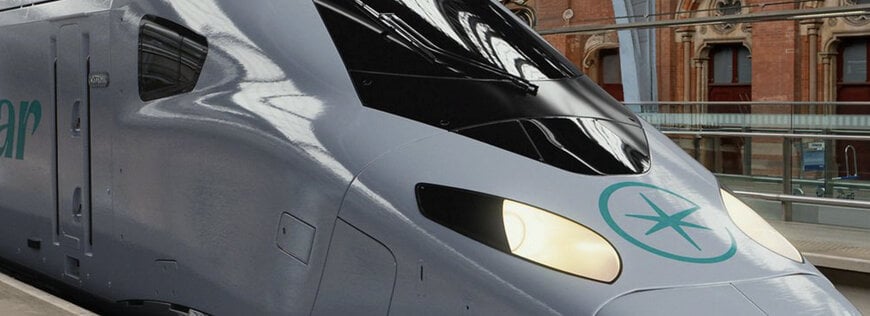
The planned high-speed connection between Germany and London addresses long-distance travel, European transport corridors and sustainable alternatives to air travel. Deutsche Bahn and Eurostar have signed a memorandum of understanding that defines key steps toward developing a direct long-distance service. The initiative answers a central question: How can an international rail connection across multiple countries be implemented both technically and operationally?
Objectives of the Partnership for International High-Speed Operations
The cooperation aims to assess under which conditions direct services between London and major German cities such as Cologne and Frankfurt can be operated. Eurostar contributes expertise in Channel Tunnel and border operations, while Deutsche Bahn provides its network integration capability and long-distance operational experience.
Because cross-border high-speed rail requires complex prerequisites – including train-path access, multi-country safety approvals and integrated border-control procedures – a joint approach is considered essential. Initial work focuses on analysing timetable options and examining terminal facilities capable of handling international border and security checks efficiently.
Technical and Regulatory Requirements as Key Challenge
Implementing a direct service across several national rail systems requires harmonised safety standards, technical interoperability and compatible operational procedures. Access to heavily used network corridors also plays a critical role. For this reason, the agreement places technical, operational and legal conditions at its core.
A potential start in the early 2030s is being targeted, but this depends on fulfilling all required conditions. These include international agreements, suitable terminal capacities and available train paths in Germany, Belgium, France and the United Kingdom.
Political Support for European Rail Connectivity
The initiative is backed by government bodies in both countries. Germany and the United Kingdom have created a dedicated task force to address infrastructure and regulatory issues, particularly regarding border procedures and alignment of national requirements. This political framework is a key factor for the viability of a continuous rail connection between the two countries.
Expected Benefits for International Travellers
A direct Germany–London connection would link city centres without transfers, reduce travel times and provide a lower-emission alternative to flying. Improved connections, centralised border clearance and integrated timetable planning would create a seamless service that stands out from competing transport options and strengthens international rail mobility.
Summary of the Cooperation
The memorandum of understanding establishes a technical and organisational foundation for developing a cross-border long-distance rail service. By combining the expertise of both companies and leveraging political support, the initiative opens new perspectives for European rail travel—provided the demanding framework conditions can be met.
www.deutschebahn.com
