
railway-international.com
28
'26
Written on Modified on
Charging Battery Trains on Denmark’s Non-Electrified Rail Lines
Sécheron’s rail charging converter architecture provides efficient, grid-friendly power conversion, delivering rapid charging while maintaining grid stability.
www.secheron.com
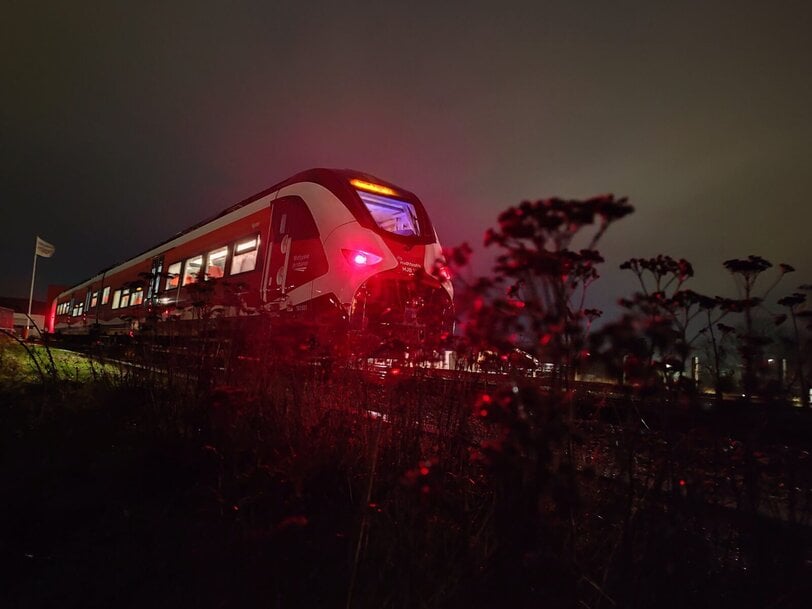
Electrifying railway networks is one of the most effective ways to reduce emissions in rail transport. However, installing overhead lines across every kilometer of track can be costly or impractical, particularly on regional routes where traffic density is lower or geography presents technical constraints.
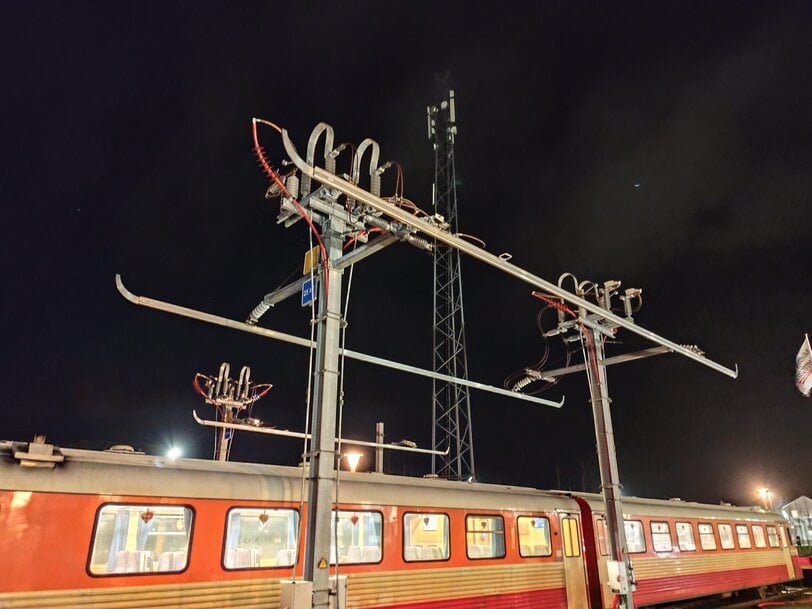
Battery-powered trains offer a practical alternative for the Danish operator Midtjyske Jernbaner. Instead of continuous electrification, trains recharge during scheduled stops at stations equipped with dedicated charging infrastructure, often referred to as charging islands. From there, they can continue operating across non-electrified sections using onboard battery power.
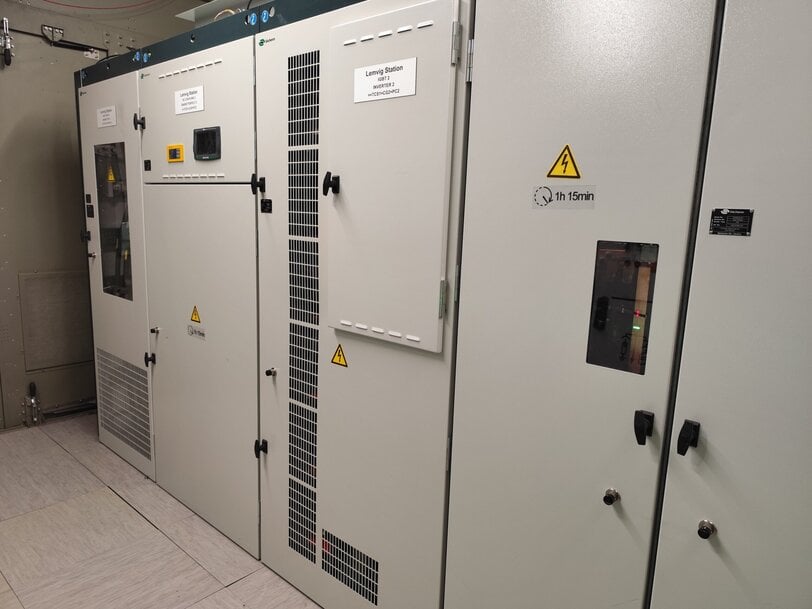
To support this concept, Sécheron has developed a specialized rail charging converter architecture designed to supply high-power charging through the catenary during station stops. In effect, the system acts as a high-power connection between the grid and the train, enabling fast and reliable energy transfer.
High-efficiency power conversion
Sécheron’s system converts three-phase high- or medium-voltage AC from the utility grid into the single-phase AC power required by the train through the overhead line. This conversion is designed to maximize efficiency while ensuring stable and reliable operation during the charging process.
A key advantage of this inverter-based architecture is its ability to maintain harmony with the local grid. Converting three-phase power into a single-phase railway supply can normally introduce load imbalance and harmonic distortion. Sécheron’s approach minimizes these effects, helping maintain grid stability while delivering several megawatts of charging power.
Supporting the future of sustainable rail
Charging island infrastructure allows rail operators to replace diesel-powered regional services with battery electric multiple units (BEMU) without the need for full network electrification. By electrifying only strategic locations such as stations, operators can significantly reduce infrastructure costs while still achieving major environmental benefits.
Sécheron’s charging converter technology is already operating at several substations in Denmark, where it has been running successfully for months. The project has even drawn national attention, including a visit from King Frederik X of Denmark, highlighting the growing importance of sustainable rail solutions.
Choosing the right technology for the track
While battery-electric multiple units (BEMUs) and hydrogen fuel cell trains both support decarbonization, they serve different operational needs. BEMUs are the efficiency leaders for regional routes, achieving a well-to-wheel efficiency of around 85% by minimizing energy conversion steps.
H2-train-vs-Battery-train-BEMUIn comparison, while hydrogen fuel cells have a lower well-to-wheel efficiency, they remain a vital, sustainable solution for long-haul or heavy-duty corridors where high energy density is required.
By offering specialized converters for both battery charging and green H2 electrolysis, Sécheron provides the flexible infrastructure needed to bridge the gap across any rail network.
www.secheron.com
