
railway-international.com
24
'26
Written on Modified on
Electric Traction Reaches Klaipėda
LTG Infra completed the 363-kilometre Vilnius–Klaipėda railway electrification project, establishing electric traction access to Klaipėda Seaport.
www.ltgcargo.lt
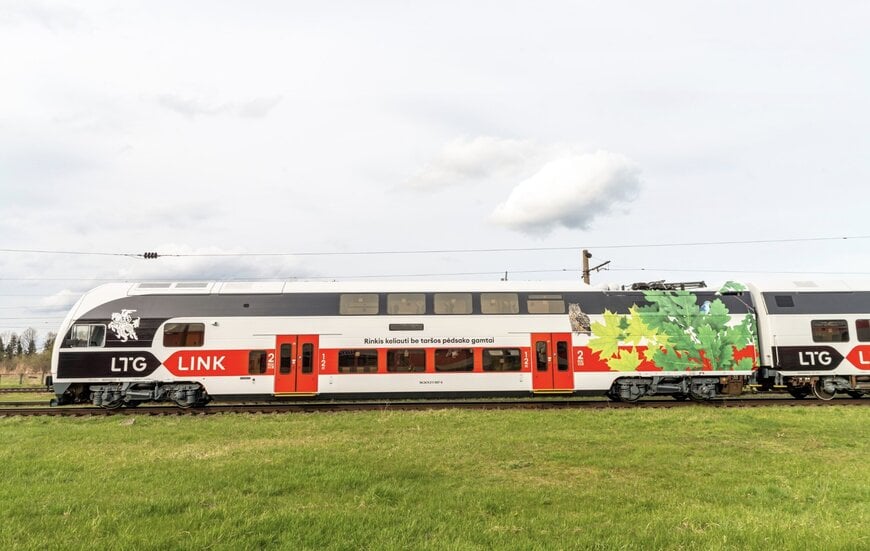
National rail networks reliant on diesel traction along primary freight and passenger corridors face elevated operational fuel costs, higher maintenance overhead, and substantial carbon emissions. Transitioning main-line corridors to overhead electric traction addresses these operational constraints by enabling higher energy efficiency and decoupling heavy rail transport from fossil fuels. LTG Infra, the infrastructure subsidiary of LTG Group, has completed the electrification of the Vilnius–Klaipėda railway line, marking the first large-scale railway electrification initiative in Lithuania in over five decades.
Corridor Scope and Infrastructure Specifications
Prior to this upgrade, electric traction in Lithuania was restricted to the Vilnius–Kaunas, Vilnius–Kena, and Lentvaris–Trakai sections, leaving only about 8% of the national rail network electrified. By equipping 363 kilometres of track along the country’s busiest transport artery, the project increases the electrified share of Lithuania’s railway infrastructure to nearly 28%.
The total capital expenditure for the modernization reached approximately €457 million. Of this sum, €231 million was co-financed through the European Union Cohesion Fund and the Recovery and Resilience Facility. Construction was executed across three sequential phases while maintaining uninterrupted train operations along the active corridor:
- Phase 1 covered the Vilnius railway hub.
- Phase 2 encompassed the Kaišiadorys–Radviliškis section.
- Phase 3 completed the Radviliškis–Klaipėda section.
Operational Integration and Industrial Applications
The Vilnius–Klaipėda corridor serves as the backbone of Lithuania’s rail logistics and intermodal transport network, linking the capital with the country's four largest cities and the Port of Klaipėda. By establishing continuous electric traction to the seaport, freight operators can eliminate locomotive swaps between diesel and electric rolling stock, streamlining cross-country cargo transit and reducing unit operating expenses.
On the passenger side, the corridor accommodates approximately 40% of all rail travellers in Lithuania. Following the completion of electrical commissioning, the line hosted its inaugural electric passenger train service between Vilnius and Klaipėda, demonstrating operational readiness for modern electric multiple units and higher-capacity rolling stock.
Emissions Reduction and System Resilience
Shifting heavy freight and high-frequency passenger services from diesel locomotives to electric traction directly reduces fuel consumption and localized exhaust emissions along the corridor. Based on project estimates, the expanded deployment of electric trains on the route will prevent approximately 150,000 tonnes of carbon dioxide emissions annually, supporting national decarbonization targets in the transport sector.
"By electrifying a 363-kilometre railway section, we have developed new competencies, gained experience working with the most advanced technologies, and strengthened our organization’s readiness for future infrastructure projects. This experience demonstrates that we are capable of successfully implementing even the most complex projects while ensuring uninterrupted railway operations," stated Vytis Žalimas, CEO of LTG Infra.
Edited by Romila DSilva, Induportals Editor, with AI assistance.
