
railway-international.com
13
'26
Written on Modified on
DB Cargo centralizes Germany–Italy single wagon transport
Integrated Mannheim–Chiasso corridor strengthens cross-border rail freight operations and streamlines responsibilities across the European network.
www.dbcargo.com
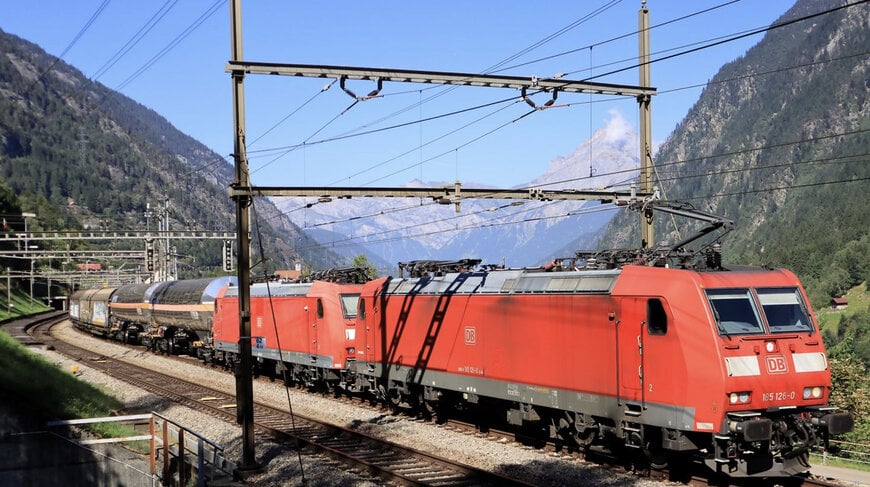
In European rail freight and cross-border logistics, managing single wagonload transport across multiple countries remains operationally complex. Since January 1, 2026, DB Cargo has consolidated end-to-end responsibility for single freight wagon services between Germany and Italy, integrating the Mannheim–Chiasso corridor fully into its own network structure.
Previously, parts of the transit were handled by external partners. Under the new structure, DB Cargo Switzerland operates the transalpine section directly, running services from Mannheim through Switzerland to Chiasso. In Italy, DB Cargo Italia manages shunting and dispatch operations, creating a coordinated structure across three countries under one corporate framework.
Integrated management along the north–south corridor
Up to 36 trains per week and direction are planned on the corridor. By bundling operations, DB Cargo brings the entire transport chain under unified control – from departure in Mannheim to final delivery to more than 50 rail sidings in Italy.
Single wagonload transport is considered one of the most demanding rail freight segments. Unlike block trains, individual wagons are combined, sorted and redistributed within a network of hubs and sidings. DB Cargo connects more than 4,200 rail sidings across Europe, making the service a central element of its logistics offering, particularly for industrial customers requiring flexible shipment volumes.
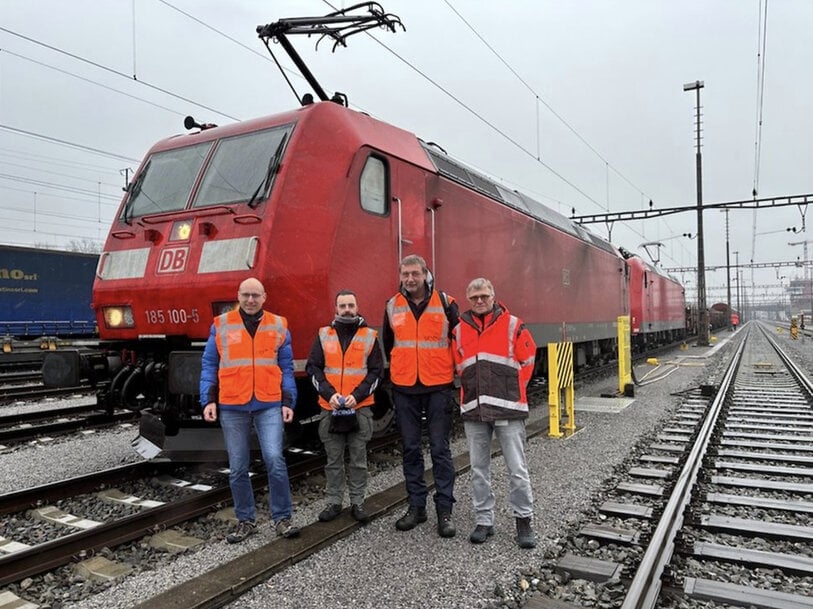
The integrated approach reduces operational interfaces, clarifies responsibilities and improves transparency across the corridor. For customers, this means fewer handovers between operators and improved end-to-end visibility on one of Europe’s most important north–south freight axes.
Strengthening network stability and efficiency
Operationally, DB Cargo Switzerland now assumes a central coordination role between the German and Italian units. Direct control of the transalpine section is intended to enhance production stability and optimize scheduling, especially across the heavily used Alpine rail infrastructure.
The 200th single wagon train under the new structure was already operated on January 27, indicating early operational continuity. By consolidating cross-border management, DB Cargo aims to improve efficiency along the entire transport chain and stabilize European single wagonload operations.
The move reflects a broader strategy to reinforce DB Cargo’s European integration and maintain competitiveness in the single wagonload segment, which remains a key differentiator in continental rail freight.
www.dbcargo.com
