
railway-international.com
12
'26
Written on Modified on
AI wildlife detection system for railway safety
Alstom and Flox Intelligence test AI technology to detect and deter wildlife along railway tracks, aiming to reduce animal collisions and rail disruptions in Sweden.
www.alstom.com
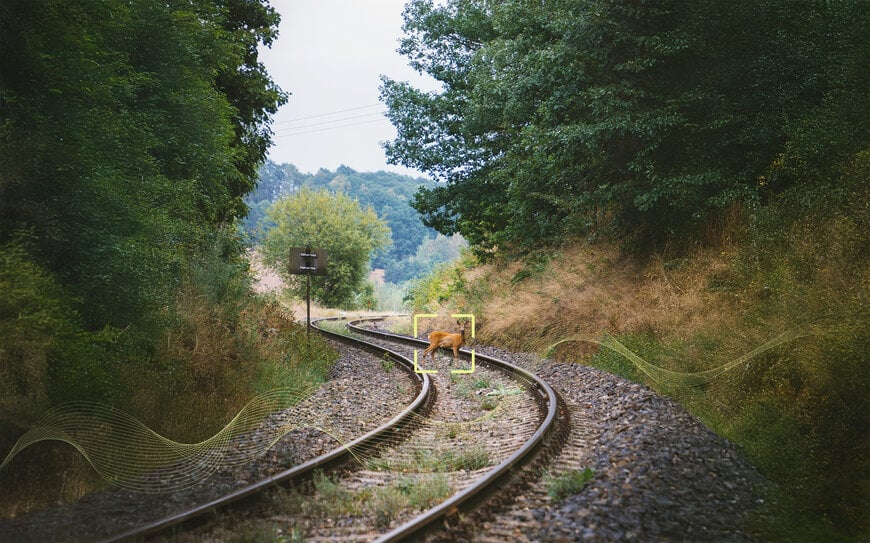
Alstom and Flox Intelligence are conducting field tests in Sweden to validate an AI-driven system designed to identify and deter wildlife from railway tracks, addressing a major cause of operational disruptions.
Real-time identification and audio deterrence mechanisms
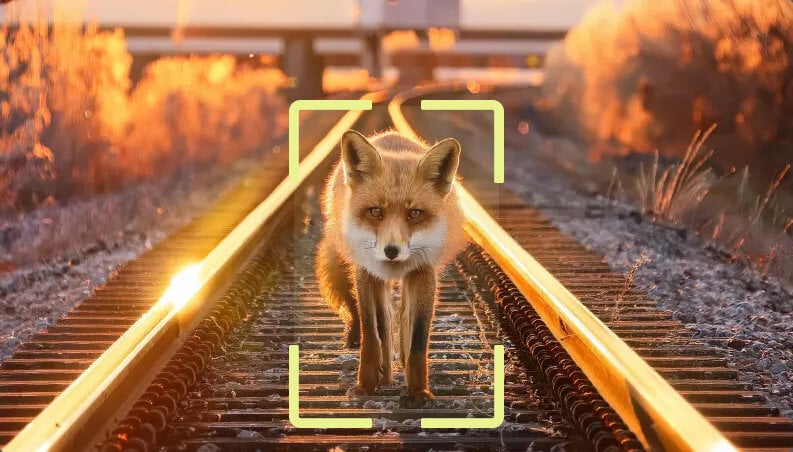
The technical solution utilizes AI-integrated cameras that monitor the rail environment in real time. Upon identifying an animal, the system triggers tailored audio signals designed to deter the specific species detected. During the initial testing phases, the AI successfully identified a variety of wildlife, including moose, roe deer, foxes, and wild boar. The implementation entered its second phase in April 2026, integrating full video detection with the sound deterrence module. This automated response helps prevent collisions that account for approximately 5,000 reported incidents annually in Sweden.
Collaborative testing and regional integration
The project is being executed on several critical Swedish railway lines, including Dalabanan and Bergslagsbanan, through a partnership with the regional authority Tåg i Bergslagen and operator VR. Funded by Vinnova, Sweden’s innovation agency, the initiative supports the digital supply chain of railway safety by:
- Continuous Machine Learning: Each animal detection is categorized to refine the AI’s identification accuracy.
- Species-Specific Training: While the system shows high precision for farm animals and birds (such as crows and pigeons), ongoing training is focused on improving the detection reliability for moose and roe deer.
- Infrastructure Assessment: The data gathered provides insights into the effectiveness of existing physical wildlife fences and identifies smaller species and birds rarely captured in traditional railway statistics.
Impact on operational reliability and societal costs
By reducing train-wildlife collisions, the technology aims to increase punctuality and decrease the significant costs associated with repairs and production losses. Beyond mechanical reliability, the system addresses the working environment for train drivers by reducing the emotional impact of accidents. This proactive approach to safety is a key step in developing a sustainable automotive data ecosystem for rail, where real-time environmental data is used to protect both passengers and local biodiversity.
Additional Context
This section details technical specifications and competitive benchmarking not included in the original product announcement.
The Flox Intelligence system represents a shift from passive infrastructure, such as physical fencing, to active, sensor-based intervention. Benchmarking against traditional wildlife fences shows that while fences can reduce collisions by up to 80%, they often create "corridor effects" that trap animals on the tracks if they find a breach; the AI-audio system mitigates this by actively clearing the path. Technically, the system utilizes Edge AI processing to ensure low-latency response times—crucial for high-speed rail where the detection-to-deterrence window is narrow. Compared to ultrasonic deterrents, which can cause habituation in animals, Flox’s "tailored audio" uses varying frequencies and predatory sounds to prevent wildlife from becoming accustomed to the signal. This methodology aligns with the digital supply chain of environmental monitoring, where data-driven insights replace static, less effective safety measures.
Edited by Romila DSilva, Induportals editor – adapted by AI.
By reducing train-wildlife collisions, the technology aims to increase punctuality and decrease the significant costs associated with repairs and production losses. Beyond mechanical reliability, the system addresses the working environment for train drivers by reducing the emotional impact of accidents. This proactive approach to safety is a key step in developing a sustainable automotive data ecosystem for rail, where real-time environmental data is used to protect both passengers and local biodiversity.
Additional Context
This section details technical specifications and competitive benchmarking not included in the original product announcement.
The Flox Intelligence system represents a shift from passive infrastructure, such as physical fencing, to active, sensor-based intervention. Benchmarking against traditional wildlife fences shows that while fences can reduce collisions by up to 80%, they often create "corridor effects" that trap animals on the tracks if they find a breach; the AI-audio system mitigates this by actively clearing the path. Technically, the system utilizes Edge AI processing to ensure low-latency response times—crucial for high-speed rail where the detection-to-deterrence window is narrow. Compared to ultrasonic deterrents, which can cause habituation in animals, Flox’s "tailored audio" uses varying frequencies and predatory sounds to prevent wildlife from becoming accustomed to the signal. This methodology aligns with the digital supply chain of environmental monitoring, where data-driven insights replace static, less effective safety measures.
Edited by Romila DSilva, Induportals editor – adapted by AI.
