
Protecting Transit Assets with 3M™ Scotchgard™ Multi-Layer Film
Keep your windows looking like new—simply peel away a worn film layer to reveal a fresh, clean surface underneath.
inpsgroup.com
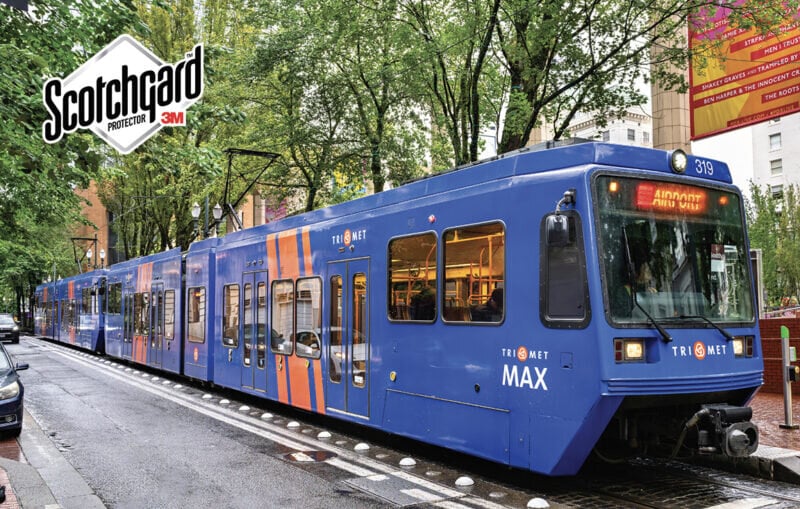
TriMet Light Rail Vehicles
© INPS Group
In today’s transit environment, protecting rolling stock interiors and glazing systems from wear, vandalism, and daily use is a growing priority for operators. One solution gaining traction across North American transit agencies is 3M™ Scotchgard™ Multi-Layer Protective Film 1004—a durable, optically clear film engineered to extend the life of glass and transparent surfaces.
Designed for demanding applications, this multi-layer protective film is commonly installed on cab windshields, passenger windows, windscreens, and ceiling monitors, as well as small and large interior glazing panels. Custom cut to size , the film integrates seamlessly into both new builds and retrofit programs.
Built for Transit Environments
Transit vehicles are subject to constant use—and misuse. From general wear caused by passengers to more deliberate damage, maintaining visibility and appearance is an ongoing challenge.
3M™ Scotchgard™ 1004 addresses this by acting as a sacrificial protective layer. In locomotive cabs, for example, the film protects windshields from operator-related wear such as foot contact, without compromising visibility. Its optical clarity ensures safe operation while maintaining a clean, professional appearance.
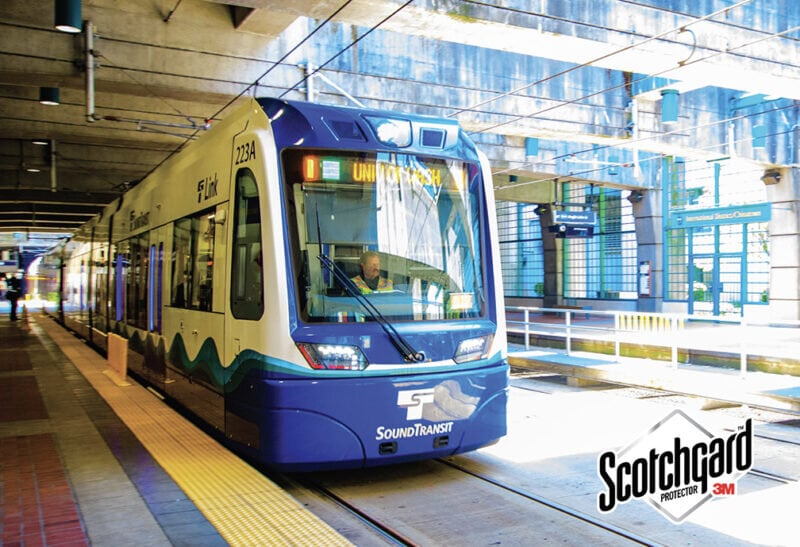
SoundTransit LRVs
© INPS Group
Addressing the Growing Issue of “Scratchitti”
Among the most persistent issues facing transit agencies is scratchitti— intentional scratching or etching into surfaces such as glass, plastics, and metals. Unlike traditional graffiti, scratchitti cannot simply be cleaned off and often requires full panel replacement.
Common across buses, light rail vehicles, and stations, scratchitti results in:
. Permanent surface damage
. Reduced visibility and passenger experience
. Significant maintenance and replacement costs
A Proven Solution: Multi-Layer Anti-Graffiti Protection
Anti-graffiti films like 3M™ Scotchgard™ 1004 provide a practical and cost-effective solution. The multi-layer construction allows maintenance teams to peel away damaged layers, restoring the surface without replacing the underlying glass.
Key benefits include:
. Multi-layer peelable system for extended service life
. Optical clarity, maintaining full visibility for operators and passengers
. No residue upon removal, reducing downtime
. Scratch and abrasion resistance, protecting against daily wear
By incorporating these films into capital projects, agencies can reduce lifecycle costs and improve fleet availability.
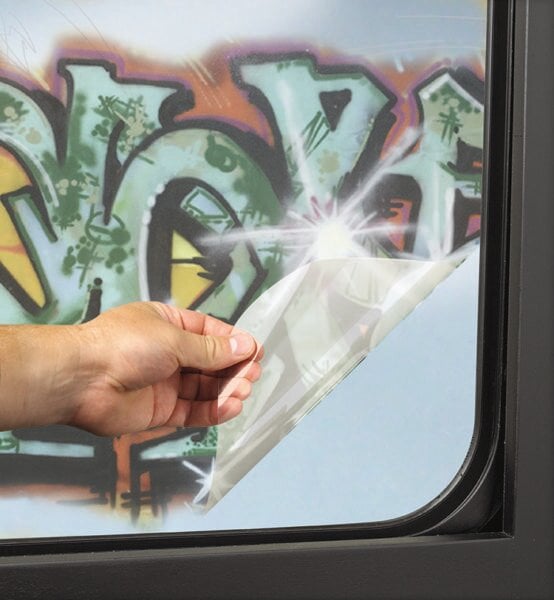
3MSG1004 Film (4 layers of protection)
© INPS Group
Supporting High-Volume Transit Systems
Transit systems across North America continue to adopt protective film solutions as part of their asset management strategies. For example, **Calgary Transit’s light rail system—one of the busiest in North America, carrying over 300,000 passengers daily—**relies on durable materials and protective technologies to maintain performance across its fleet of Siemens U2 vehicles.
Similarly, agencies such as Dallas Area Rapid Transit (DART), TriMet, and Sound Transit operate in high-demand environments where protecting vehicle interiors and glazing is critical to long-term reliability.
Dave Wade, Technical Support at INPS said:
Don’t replace the entire window—replace a cost - effective layer instead. With 3M™ Scotchgard™ Multi- Layer Protective Film 1004, you get four layers of protection. When one layer is scratched, simply peel it away to reveal a fresh surface underneath.
Protect Now, Save Later
Investing in protective films upfront can significantly reduce maintenance costs over time. Instead of replacing damaged glass or panels, operators can simply remove and replace the film layer—keeping vehicles in service longer and minimizing disruption.
For transit authorities and OEMs alike, specifying 3M™ Scotchgard™ Multi- Layer Protective Film 1004 in new builds or refurbishment programs is a proactive step toward protecting assets, improving passenger experience, and reducing total cost of ownership.
www.inpsgroup.com
