
railway-international.com
25
'26
Written on Modified on
Digital Rail Signaling System Transformation
ÖBB-Infrastruktur AG selected Siemens Mobility to deploy digital rail signaling technology across the Austrian railway network.
www.siemens.com
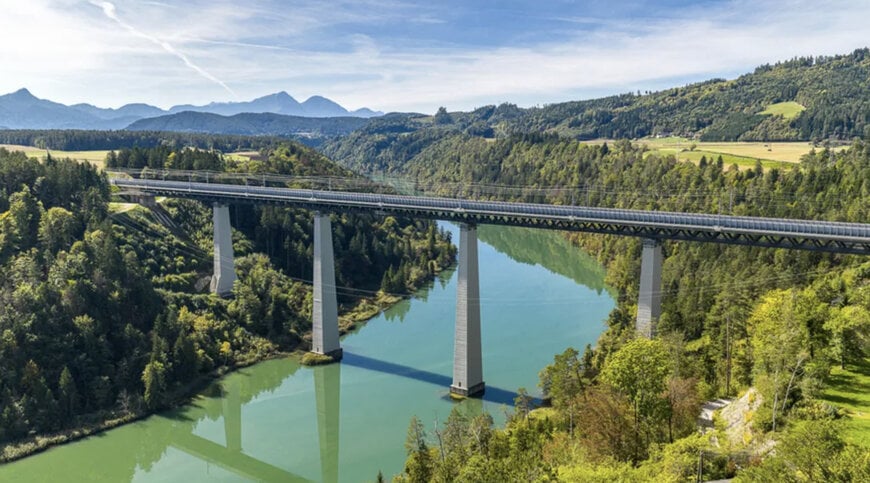
Digital Rail Signaling System TransformationÖBB-Infrastruktur AG selected Siemens Mobility to deploy digital rail signaling technology across the Austrian railway network. Client Company Activity and IndustryÖBB-Infrastruktur AG operates within the railway transportation and infrastructure sector in Austria, managing and maintaining the national rail network to ensure safe and efficient passenger and freight mobility.
Technical and Operational Problems
Traditional railway signaling relies on decentralized, hardware-heavy interlocking architectures that limit operational flexibility, restrict network capacity, and complicate system maintenance across extensive national rail grids.
Goals for Improvement
The infrastructure operator required a solution to increase network capacity, enhance operational reliability, simplify maintenance procedures, and strengthen the digital resilience of the rail network through a phased modernization approach.
Technical Solution Chosen
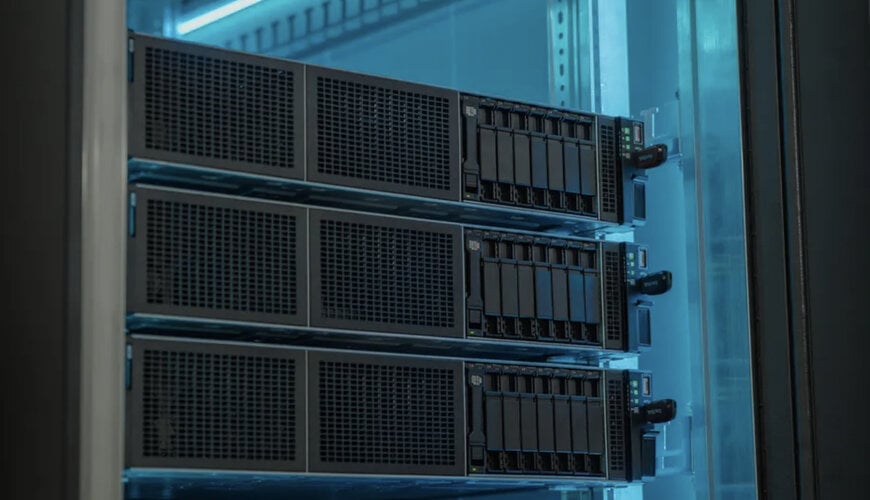
Siemens Mobility supplied an integrated, software-based, and cloud-ready technology platform designed to digitalize signaling and control systems. The architecture decouples safety-critical software logic from proprietary hardware, allowing safety functions to run on standard IT servers in centralized data centers while object controllers manage signals and switches in the field.
Selection Rationale and Technical Features
The client selected this platform because it consolidates previously separate functions—including interlocking technology, the European Train Control System, diagnostic systems, and cybersecurity applications—onto a single technological foundation. Utilizing commercial off-the-shelf IT components and a zero-trust cybersecurity model enables the operator to achieve higher system availability and operational flexibility while maintaining strict safety standards.
Deployment Process and Support
The project follows a structured, multi-stage implementation process backed by a long-term framework agreement worth 2.6 billion euros and an initial contract valued at approximately 1.3 billion euros. The deployment builds upon previous integration work, starting with a pilot project in Achau and progressing toward a phased, nationwide rollout designed to replace legacy systems entirely. Maintenance and technical support are secured through a service agreement covering the entire system lifecycle.
Operational Benefits and Results
The integration of digital interlockings and the train control system establishes the technical prerequisites for standardizing operations across the entire national network. Decoupling software from hardware reduces maintenance complexity, while centralized data processing and advanced object controllers increase overall transport capacity and network resilience.
Edited by Maria Brueva, Induportals editor – adapted by AI.
www.siemens.com
