
railway-international.com
01
'26
Written on Modified on
Distributed Power System Optimizes Rail Transport Capacity
DB Cargo and voestalpine deploy the Distributed Power System to increase train payload capacity and optimize traction on cross-border railway networks.
www.dbcargo.com
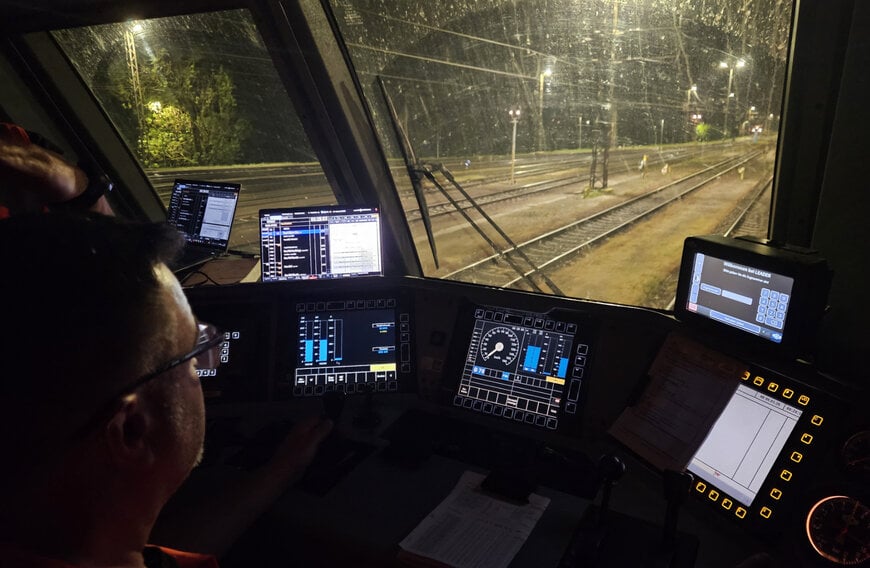
DB Cargo and the logistics provider LogServ, a subsidiary of voestalpine, are collaborating to implement the Distributed Power System (DPS) in cross-border rail freight operations. This digital infrastructure solution enables the operation of heavier freight trains to maximize existing network capacity between Germany and Austria.
Technical Architecture of the Distributed Power System
The DPS technology connects the locomotives at the front and rear of the train via radio data transmission. In this configuration, the locomotive positioned at the rear is remotely controlled by the leading locomotive, requiring only one train driver for the entire operation. Unlike conventional dual traction systems, this control architecture distributes the tractive force evenly across the entire length of the train. This mechanical distribution enables the hauling of heavier loads while simultaneously reducing the physical strain exerted on the rolling stock and track materials.
Cross-Border Implementation and Network Deployment
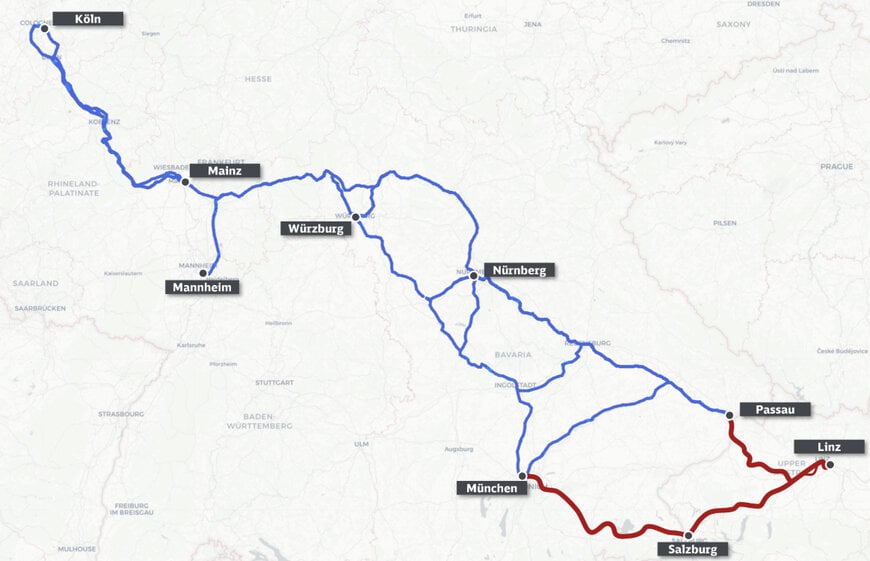
The system is currently deployed on shuttle services operated by LogServ carrying steel products for voestalpine between Linz, Austria, and Germany. The implementation provides operational resilience during corridor renovation works in the German rail network. On diversion routes featuring steeper gradients, the integration of DPS maintains high transport volumes despite the physical constraints of the track infrastructure. DB Cargo provides the locomotive technology and operational framework to execute these cross-border logistics services, enabling evaluation for further route expansions.
Heavy Freight Transport and Industrial Supply Chains
The primary industrial application of this technology is the optimization of heavy freight transport for the steel manufacturing sector. By utilizing DPS, industrial operators can maintain stable supply chains of raw materials and finished products even under challenging infrastructural conditions. The system allows heavily congested rail corridors to be utilized more effectively, reducing the total number of required train journeys and freeing up existing train paths for other operational uses.
Transport Capacity and Operational Efficiency
The deployment of DPS yields quantifiable increases in rail transport capacity. On diversion routes with steep gradients, conventional trains are limited to transporting approximately 2,400 tonnes. The application of DPS increases this payload capacity to more than 3,300 tonnes per train. This represents an overall increase in freight volume of up to 30 percent per journey. Consequently, the same volume of freight that previously required four trains can now be transported using three, achieving greater overall capacity utilizing the same staffing and physical infrastructure.
Edited by Maria Brueva, Induportals editor – adapted by AI.
www.dbcargo.com
